A Quick Introduction to Context Engineering
A Quick Introduction to Context Engineering
Key Concepts
Problems it addresses:
- Most models have a very limited context window
- Noisy, poorly organized inputs hurt model understanding
- More input = higher cost (tokens are expensive)
Context: Everything fed to the model as input — the user's question, background information, reference material, available tools, tool execution results, conversation history, and so on. The model generates answers based on all of this.
Context window: The maximum amount of input a model can process. Measured in tokens — for example, Gemini 2.5 Pro has a 1 million token context window, meaning it can handle up to 1 million tokens of input at once.
Context engineering: The deliberate design of what goes into the model's input. The goal is to help the model understand more accurately, respond better, and spend fewer tokens — all within a limited context window.
The common experience of LLMs "forgetting" earlier parts of a conversation happens precisely because of context window size limits.
Context engineering is especially important when building agents.
Approaches
Saving Context
A classic example is ChatGPT's long-term memory feature.
Store the context you want the model to remember in a database or on disk, and retrieve it when needed.
Selecting Context
Choose the most relevant information from a large pool of data to include in the model's input.
Static selection: Content that always goes into the context — for example, a system prompt that guides the model's behavior and ensures safe, reliable outputs.
Dynamic selection: Content chosen based on what's most relevant to the current query — for example, pulling entries from a long-term memory store in ChatGPT, or an agent selecting which tools to include based on the current task.
RAG is one implementation of dynamic selection.
Compressing Context
The two biggest space consumers in a context are model-generated text and tool execution results.
One practice from Claude Code: when the context reaches a certain size, it runs auto-compact — discarding raw content and keeping only a summary of what was there.
Isolating Context
This typically comes up in multi-agent scenarios.
Anthropic's approach:
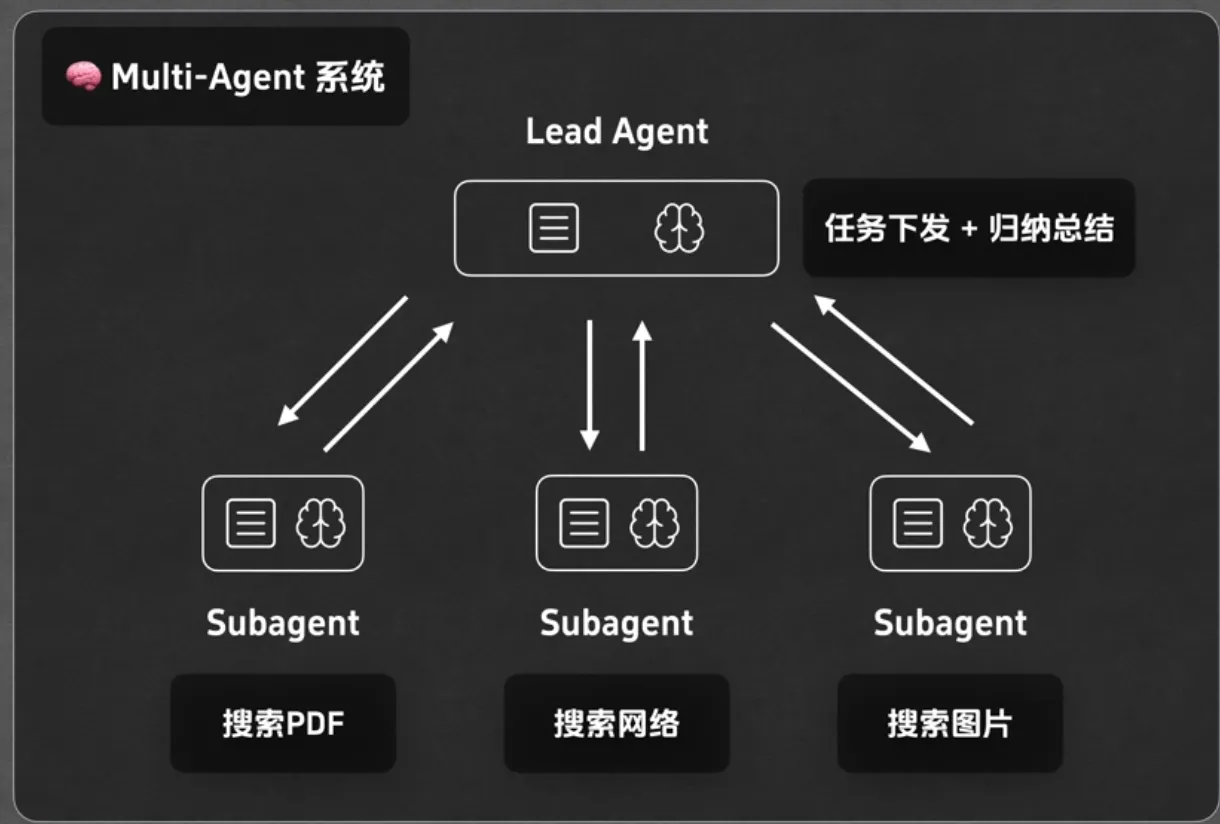
Different agents each have their own dedicated tools, independent execution histories, and separate memory systems. Their contexts remain isolated from one another.
Further Reading
LangChain — Context Engineering: http://blog.langchain.com/context-engineering-for-agents/
Cognition: https://cognition.ai/blog/dont-build-multi-agents
贡献者


最近更新
Involution Hell© 2026 byCommunityunderCC BY-NC-SA 4.0


